
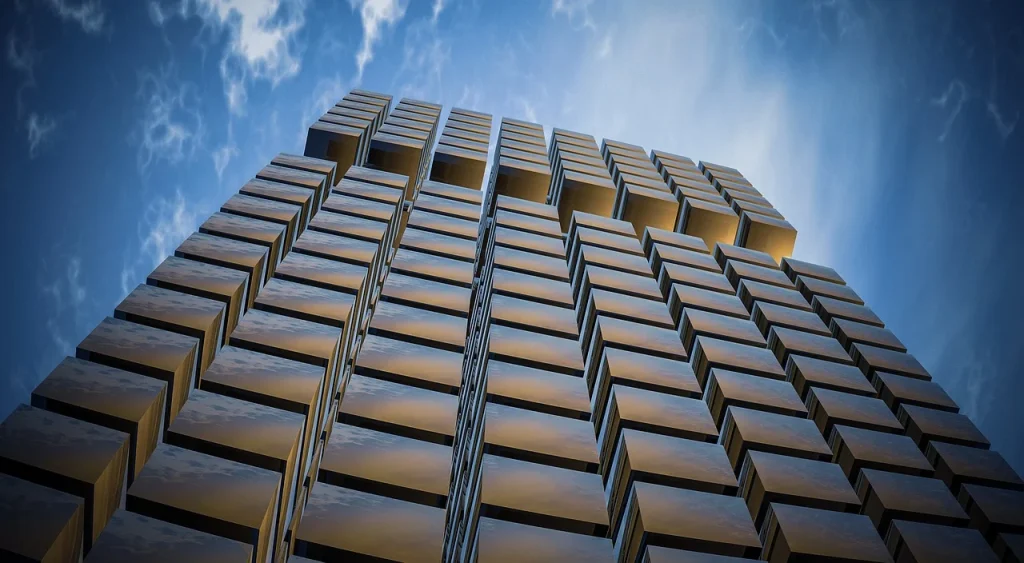
In today’s fast-changing world, technology and innovation are the engines driving education, research, and economic growth. One shining example of this progress is the Don Myers Technology and Innovation Building, a state-of-the-art facility designed to foster creativity, collaboration, and cutting-edge discoveries. Located on the campus of American University in Washington, D.C., this building stands as a physical and symbolic centerpiece for the university’s commitment to science, technology, engineering, and mathematics (STEM).
The Don Myers Technology and Innovation Building—often simply called the Don Myers Building—brings together researchers, students, entrepreneurs, and educators under one roof. It’s not just a classroom building; it’s a collaborative ecosystem where ideas grow, startups are born, and the next generation of innovators is prepared for success.
A Legacy of Vision: Who Was Don Myers?
The building is named in honor of Don Myers, a dedicated American University trustee and longtime advocate for technological education. Myers believed that universities have a responsibility to prepare students for the challenges of the modern world by equipping them with both knowledge and real-world experience.
His contributions to the university went beyond financial support. He pushed for expanded STEM programs, better research facilities, and stronger partnerships between academia and industry. Naming this building after him is a tribute to his vision of a university that leads through innovation.
Strategic Location: A Bridge Between Campus and Community
The Don Myers Technology and Innovation Building is strategically located at the East Campus of American University, serving as a bridge between academic spaces and the broader D.C. tech community. Its location makes it easy for students and faculty to connect with businesses, government agencies, and nonprofits in the area.
Washington, D.C. is a growing hub for technology startups and research initiatives, especially in fields like cybersecurity, environmental technology, and public policy innovation. By placing the building in this vibrant environment, American University ensures that its students are plugged into real opportunities from day one.
A Modern Architectural Marvel
The building itself is a modern architectural landmark. Designed with sustainability and innovation in mind, it incorporates eco-friendly materials, advanced HVAC systems, and energy-efficient lighting. Large glass walls flood the interior with natural light, creating a bright and inspiring atmosphere that encourages creativity.
Open workspaces replace traditional, closed-off offices, promoting collaboration among faculty, students, and researchers. Flexible lab spaces allow different departments to share equipment and ideas, while dedicated “innovation zones” are set up for brainstorming, prototyping, and project work.
Cutting-Edge Facilities for STEM Excellence
One of the key goals of the Don Myers Technology and Innovation Building is to strengthen STEM education at American University. To achieve this, the building includes a variety of advanced facilities, such as:
- Interdisciplinary research laboratories for environmental science, physics, data analytics, and computer science.
- Makerspaces and innovation labs equipped with 3D printers, laser cutters, and rapid-prototyping tools, allowing students to turn their ideas into tangible products.
- Smart classrooms with interactive technology that supports modern teaching methods.
- Collaboration zones for student organizations, hackathons, and group projects.
- Incubator spaces where students and faculty can develop startups and collaborate with industry partners.
These spaces help students go beyond textbooks, giving them hands-on experience that builds both confidence and practical skills.
A Hub for Interdisciplinary Collaboration
Unlike traditional academic buildings that focus on a single department, the Don Myers Technology and Innovation Building brings together multiple disciplines under one roof. This interdisciplinary approach is crucial for solving modern challenges, which often require a mix of technical, social, and policy expertise.
For example, a project on renewable energy might involve environmental scientists, computer programmers, business students, and policy experts working together. The building’s layout encourages such collaboration by placing labs, offices, and meeting spaces in close proximity.
Fostering Innovation Through Partnerships
One of the most exciting aspects of the Don Myers Building is its strong connection to industry and government partners. American University uses the facility to host workshops, networking events, and collaborative research projects with leading tech companies and public agencies.
This means students have unique opportunities to intern, network, and collaborate with real professionals, often leading to jobs and long-term partnerships after graduation. Companies benefit as well by gaining access to fresh talent, innovative ideas, and academic expertise.
Supporting Startups and Entrepreneurship
Innovation isn’t just about research—it’s also about turning ideas into reality. The Don Myers Technology and Innovation Building houses entrepreneurship programs and startup incubators that help students launch their own ventures.
Through mentorship, funding opportunities, and access to cutting-edge tools, these programs give aspiring entrepreneurs the support they need to develop prototypes, refine business models, and bring new products to market. In many ways, this building acts like a launchpad for student startups.
Sustainability and the Future
American University is known for its commitment to sustainability, and the Don Myers Building reflects that mission. It was designed to meet LEED Gold certification standards, incorporating features such as:
- Energy-efficient heating and cooling systems
- Rainwater collection and reuse systems
- Green roofing elements that reduce heat absorption
- Environmentally friendly building materials
These sustainable design choices ensure the building reduces its environmental footprint while also serving as a teaching tool for students interested in green technology.
Impact on Students and the Community
The Don Myers Technology and Innovation Building is more than just a facility—it’s a transformative educational environment. Students gain access to technology and resources that prepare them for competitive careers in science, engineering, data analytics, and entrepreneurship.
Beyond campus, the building strengthens the local community by hosting public events, workshops, and tech meetups. It serves as a gathering place where academia, industry, and the public can work together to solve pressing challenges.
Looking Ahead
As technology continues to reshape the world, facilities like the Don Myers Technology and Innovation Building are becoming essential for universities that want to stay ahead of the curve. By combining cutting-edge infrastructure with a culture of collaboration, American University is positioning itself as a leader in innovation education.
Future plans for the building include expanding research programs, increasing student startup support, and deepening partnerships with tech companies. These efforts will ensure that the building remains a dynamic, evolving hub for years to come.
FAQs: Don Myers Technology & Innovation Building
1.What is the Don Myers Technology & Innovation Building?
It’s an academic building at American University in Washington, D.C., designed to foster innovation, interdisciplinary collaboration, and cutting-edge research. School Designs+1
2.When was it opened / what is its size?
The building was completed in 2017. It spans about 70,000 square feet. School Designs+1
3.What departments/units are located there?
- Departments of Physics; Mathematics & Statistics; Computer Science School Designs+1
- Game Design / Persuasive Play Program (joint between the College of Arts & Sciences and the School of Communication) School Designs+1
- AU Game Lab visitour.io
- Kogod Center for Innovation visitour.io
Makerspace “Design and Build Lab (DaBL)” visitour.io
4.What are the special features / facilities?
- Modern classrooms, teaching & research labs for physics, computer science, etc. School Designs+1
- Collaboration spaces and informal learning zones—whiteboards and chalkboards in corridors to encourage impromptu interaction and working together. visitour.io+1
- A Problem-Based Instructional Studio, Persuasive Gaming Lab, and other labs dedicated to cutting-edge pedagogies and research. School Designs
A business incubator space. School Designs
5.Where is it located and what is the address?
- It is at 3501 Nebraska Avenue NW, Washington, D.C. MapQuest+1
- To provide a centralized, modern facility for STEM and tech disciplines. School Designs+1
- To encourage collaboration among students, faculty, across disciplines. School Designs+1
- To support innovation, research, and experiential learning (e.g. game design, makerspaces). visitour.io+1
6.How is collaboration built into its design?
- Shared informal spaces lining corridors—places for students/faculty to bump into each other. School Designs+1
Labs and specialized spaces located near entrances to improve visibility and access. School Designs
7.What kind of events or activities happen there?
- Apart from regular classes and labs, events like entrepreneurship / startup competitions, workshops, and innovation-oriented gatherings are held there. HappeningNext+1
- It’s also used for public safety training or sessions (in collaboration with other university departments) when relevant. The Eagle
8.How does it fit into the larger campus context / master plan?
- It is part of the larger East Campus development, which includes student housing, event spaces, retail, parking, landscaped plazas, etc. School Designs
The building’s architecture works to integrate with other facilities while foregrounding technology and student interaction. School Designs
9.What benefits does it offer to students?
- Easier access to labs and faculty since many STEM & tech disciplines are housed in one place. visitour.io+1
- Spaces designed for group work, creativity, hands-on learning. visitour.io+1
- Opportunities for cross-disciplinary work (e.g. game design involves both technical & creative skills). School Designs
10.Is the building accessible / are there special design considerations?
- Persuasive Gaming Lab. School Designs
- Design and Build Lab (a makerspace). visitour.io
Physics teaching & research labs; computer science labs. School Designs
11.Is the building accessible / are there special design considerations?
-
- It is built with modern design standards; corridors, entrances etc. visitour.io+1
- Accessibility is a standard expectation in new university buildings in the U.S. (e.g. for mobility, restrooms etc.), though I didn’t find a detailed specification in my sources.
- It is built with modern design standards; corridors, entrances etc. visitour.io+1
12.How do students / faculty perceive it?
- Students say having a centralized, well-designed space where classes, labs, faculty offices, and collaborative spaces co-exist improves their experience. The Eagle+1
- It gives more visibility to STEM work on campus, helps foster sense of belonging. The
Conclusion
The Don Myers Technology and Innovation Building is a shining example of how visionary leadership, smart design, and interdisciplinary collaboration can transform higher education. For students, it offers unmatched opportunities to learn, create, and lead. For the community, it serves as a catalyst for innovation and economic growth.
In an era where technology drives nearly every aspect of life, spaces like the Don Myers Building aren’t just valuable—they’re essential. This facility embodies the future of education and stands as a model for universities across the United States.
